
All The Remote Villages I Have Passed By Could Not Escape From The Typhoon Morakot
ally 2011.01.30

註:本文撰寫於 2009.09.10,八八風災 (莫拉克颱風) 過後一個月。
A few days ago there was a dinner gathering between colleagues. We talked about the disaster by typhoon in southern Taiwan. Some said they were unfamiliar with those remote villages. Jason pointed his finger at me and said to all: "You can ask this man. He had visited all those villages on bicycle. All the places he passed by could not escape from this typhoon."
I never thought things would change so fast and dramatically. All the remote aboriginal tribes were unique and gave me plenty of unforgettable memories. Just months away they all suffered from this typhoon. Mountains slipped and rivers swelled. Roads and bridges were flushed into pieces or totally disappeared. Most villages were damaged and isolated. Some villages were even entirely washed away by the mud.
I have visited those places and caught the memories in time. If I had the chance to be there again, everything may change thoroughly. The mountain, the land, the plants, the roads, the houses, and the people all may not be the same.
Some villages were completely washed away into the river, but people from the villages still wanted to go back to their land. They would like to restart their life on the land where they had lived for decades or even hundreds of years. They were brave, and had no choice to be brave. Only on the home land they knew how to live.
The government wanted to evacuate the people from damaged villages to other safe places. But most of the people were not invited to participate in the discussion of evacuation plan. The persons concerned did not seem to receive enough respects. There were two different points at this serious issue:
Firstly, most of the aborigine did not want to move to other places. They respect and rely on their homeland and spirits of ancestors. Away from home is tantamount to losing the anchor. In other unfamiliar places they would be considered as victims. In the homeland they are residents.
Secondly, the government said life is most important. Everyone will have no choice but to move if his homeland has been investigated and confirmed dangerous for living. Some scholars thought it is stubborn to refuse all the evacuation plans and keep claiming "Leaving is Killing." or "Being far away, our culture will pass away.". They said according to the history the aborigine have moved several times and still were able to keep their tradition. They should have confidence in themselves to keep their living and tradition in unfamiliar places. After all, no life no culture.
I agree with the basic point that life is most important. But the government should respect the aborigine more and discuss with them thoroughly to understand what they need. I think evacuation is not a problem, but it should not tear the aborigine apart into small groups. Their sense of union and spirit of sharing make them strong. No matter where they move to, they should be able to keep their tradition if they stay together.
Environment is important too. The environment of new places should be similar to their homeland. The aborigine live on farming and hunting. At least give them a similar land to plant the crops, vegetables and fruits. If the government shows arrogant attitude like "It's an order! You just follow my plan and move.", the aborigine will not be convinced to obey the policy.
慈濟幫災民蓋永久屋及教堂:「大愛布農教會」。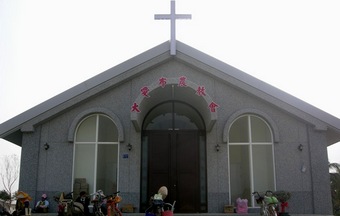
|
教堂大門旁有對聯:「人間有大愛,天堂有曙光。」
|
災民聚會:中間是十字架,旁邊螢幕是證嚴上人。
|
證嚴上人也曾親臨此教堂。
|
圖片來源網頁:
推薦網站:
ally 2011.01.30
5 Comments
我個人對一切制式的東西都沒好感.Ally好像很關心原民文化,那你認識的原住民他們對此事件的反應是如何呢?
可是我沒有認識任何原住民耶,頂多是有在部落投宿時跟老闆閒聊而已,那也都是八八風災以前的事情。
很多事情就是這樣,原本立意是善的,卻因執行過程太過粗糙,以致當事人未感其善先受其害。
我有朋友夫婦倆都很關心原住民,甚至帶著女兒搬到部落裡生活,一直到女兒要受教育才下山。不過他的關心層面跟Ally不同,他是去探討他們的文化,譬如婚姻呈現什麼狀態?親子、手足間的互動,親情、愛情、友情的維繫力量,謀生觀念等等...原本有個部落格,但荒廢多年已經移除,不然可以介紹給Ally看看。
心血來潮,把文章丟去 Google 翻譯看看:
--------------------
前幾天有同事之間的晚宴聚會。我們談到了受颱風災害的台灣南部。有人說,他們不熟悉的偏遠鄉村。傑森指著他的手指在我對大家說:“你可以問問這個人。他訪問了所有這些村莊的自行車。所有的地方,他無法通過逃離這個颱風。”
我從來沒有想到事情會變化得這麼快,顯著。所有遠程原住民是獨特的,給了我很多難忘的回憶。僅僅在幾個月他們都受到了這次颱風。山腳下一滑,河流膨脹。道路和橋樑被衝成塊或完全消失。大多數村莊遭到破壞和孤立。有些村莊甚至完全沖走了泥。
我訪問了這些地方,抓住了時間的記憶。如果我有機會在那裡,一切都很可能會徹底改變。山,土地,廠房,道路,房屋,將人都可以不一樣。
有些村莊被完全沖走了河裡,但人們仍然希望從農村回到他們的土地。他們希望能夠重新開始生活,他們的土地上生活了幾十年甚至數百年。他們是勇敢,沒有別的選擇,要勇敢。只有在家裡的土地,他們知道如何生活。
政府希望從受損的人疏散到其他村莊的安全地方。但是大部分的人都沒有被邀請參加討論的撤離計劃。有關人士似乎並沒有得到足夠的尊重。有兩個不同的點,這個嚴重的問題:
首先,大部分的原住民不願意遷移到其他地方。他們尊重和依靠自己的家園和精神的祖先。出門在外,就等於失去了錨。在其他不熟悉的地方,他們將被視為受害者。在家鄉,他們是居民。
其次,政府說生命是最重要的。每個人都將別無選擇,只能移動如果他的家鄉進行了研究,並證實危險的生活。有些學者認為它是頑固拒絕所有的疏散計劃並保持聲稱“離開是殺人。”還是“遠,我們的文化就會消失。”。他們說,根據歷史的原住民有好幾次,還是移動能夠保持他們的傳統。他們應該有自己的信心,使他們的生活和傳統,在不熟悉的地方。畢竟,沒有生命沒有文化。
我同意的基本點,生命是最重要的。但政府應尊重原住民與他們討論越來越深入了解他們需要什麼。我認為疏散是不是問題,但不應該撕裂原住民分裂成小團體。工會自己的感覺和精神共享等使得他們變得強壯。無論他們搬到哪裡,他們應該能夠保持自己的傳統,如果他們呆在一起。
環境也很重要。環境的新的地方應該是類似家園。原住民生活在農業和狩獵。至少給他們一個類似的土地,以種植農作物,蔬菜和水果。如果政府表明態度傲慢,如“這是命令!你只要按照我的計劃和行動。”原住民不會被說服服從政策。
>> visit all those villages on bicycle --> 訪問了所有這些村莊的自行車
>> Mountains slipped --> 山腳下一滑
>> Some villages were even entirely washed away by the mud --> 有些村莊甚至完全沖走了泥
哈哈,自動翻譯真是歡樂的泉源。